Collecting References Without Losing Your Own Voice
Reference gathering is powerful when it feeds a point of view instead of replacing one.

A reference library should make you more curious, not more similar to everyone else.
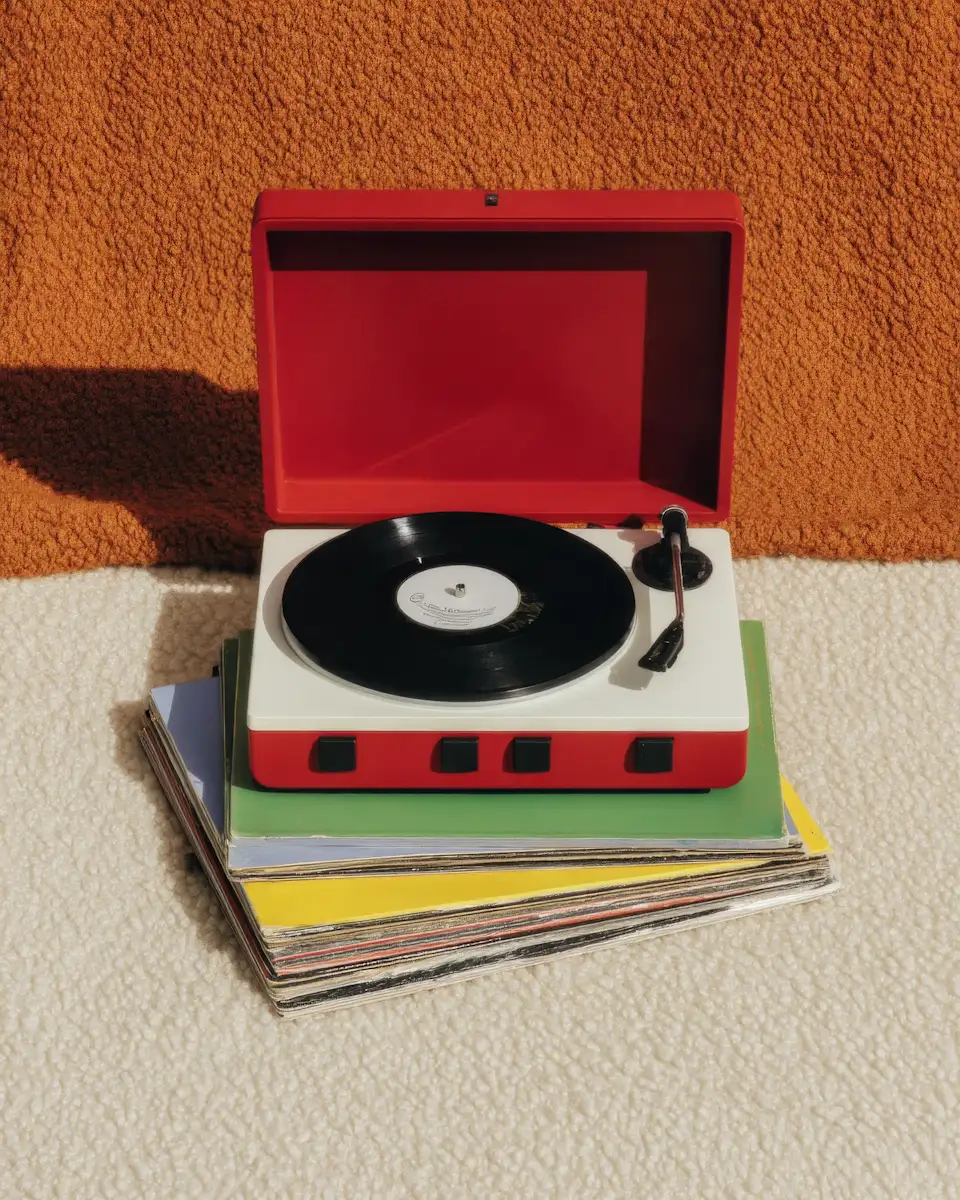
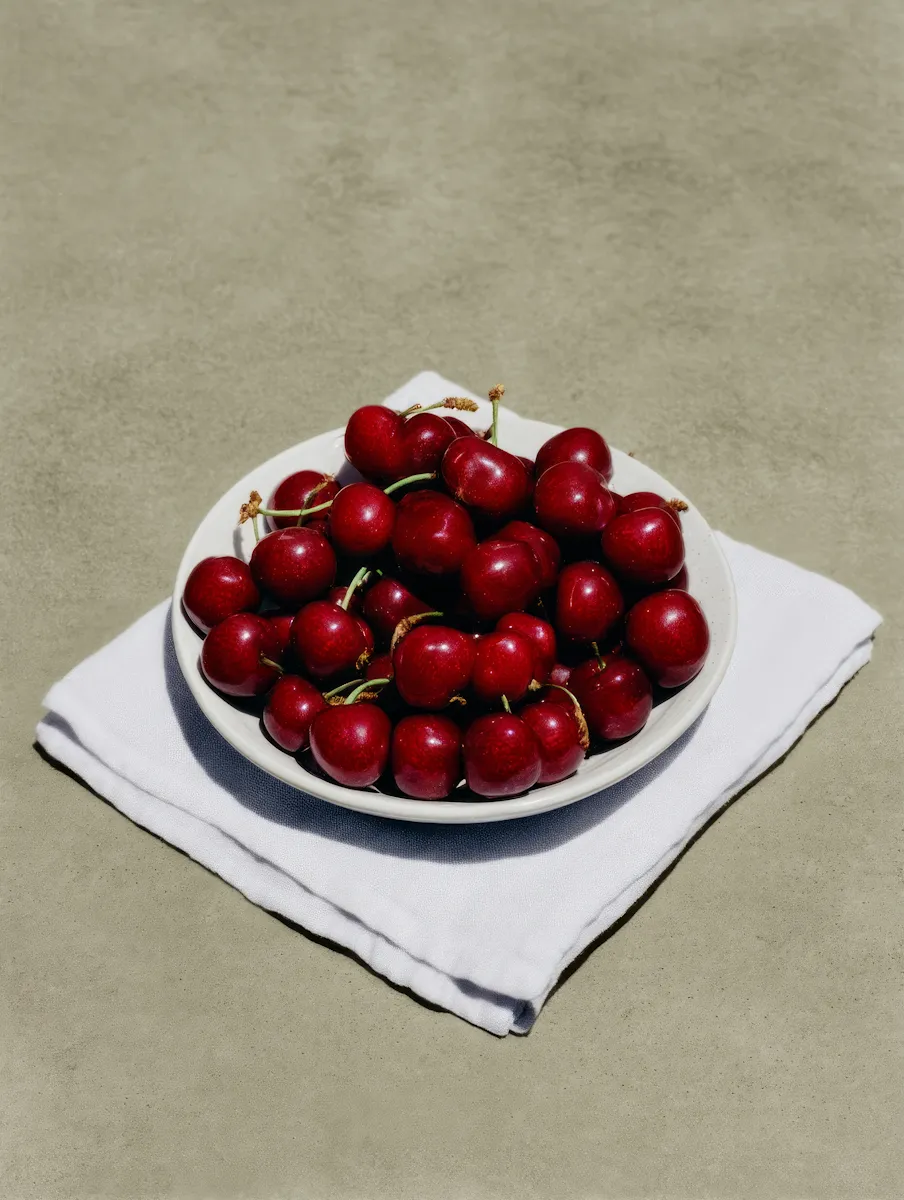
Creative work rarely begins from nothing. We collect images, websites, books, films, objects, type specimens, photographs, and fragments of conversations. These references become raw material.
The problem begins when the reference library becomes the creative direction.
Collect by feeling first
It can be useful to save something before knowing exactly why. Maybe the composition feels balanced. Maybe the material looks strange. Maybe the typography has a tension you cannot name yet.
Later, patterns become visible. You start to understand what your attention naturally returns to.
Look outside your category
If you only collect portfolio websites, your portfolio will eventually look like other portfolio websites. Architecture, cinema, packaging, fashion, publishing, industrial objects, and even landscapes can offer more useful ideas because their constraints are different.
References become more interesting when they are translated rather than copied.
Write down the reason
A simple note can change how a reference behaves. Instead of saving an image with no context, write: “The empty lower half makes the object feel monumental.” That sentence becomes a design principle rather than an aesthetic souvenir.
Close the reference window
There is a point where more references stop helping. Once the direction is clear, close the tabs. The work needs room to become itself.
Influence is unavoidable. Originality is not the absence of influence; it is what happens when influence passes through your own decisions.
Building a visual direction and need another perspective on the references?
Start a conversation